BeeGearWise
Keep bees. Gear up wisely.
Honest, practical buying advice for backyard beekeepers. We explain what each piece of gear is for, what to measure or check before you buy, and where the product label or your state extension service has the last word instead of a website.
Where beekeepers usually start
A handful of areas cover most of what people ask in a first or second season. Pick the one that matches the hive in front of you.
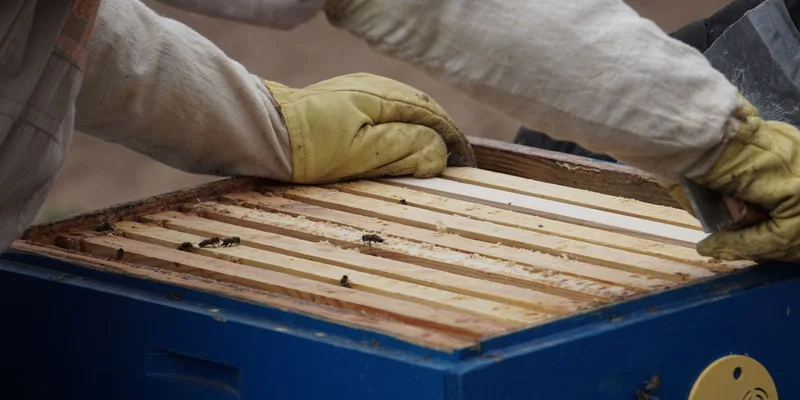 Getting StartedFirst hive, first bees, first year. What it costs, which kit choices matter and who sets the rules where you live.Browse getting started ›
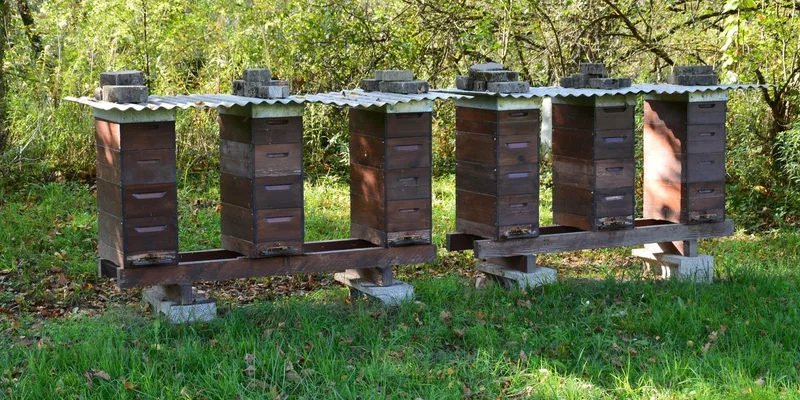 Hives and SetupLangstroth, top bar, Warre and Flow explained box by box, with frames, stands and where the hive should stand.Browse hives and setup ›
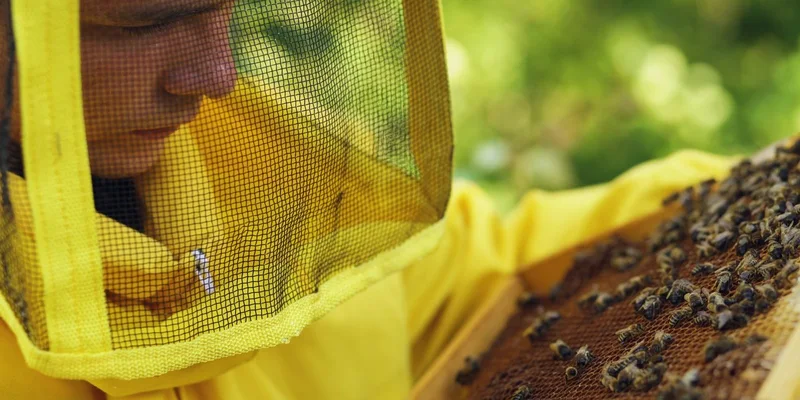 Suits and ProtectionSuits, jackets, veils and gloves picked on fabric, airflow and fit, with the sizing questions answered first.Browse suits and protection ›
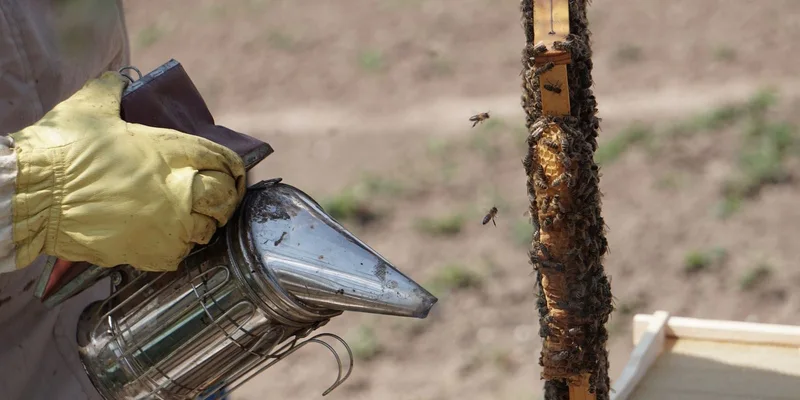 Tools and SmokersSmokers, fuel, hive tools and frame grips. What earns a place in the bucket, and what stays in the shed.Browse tools and smokers ›
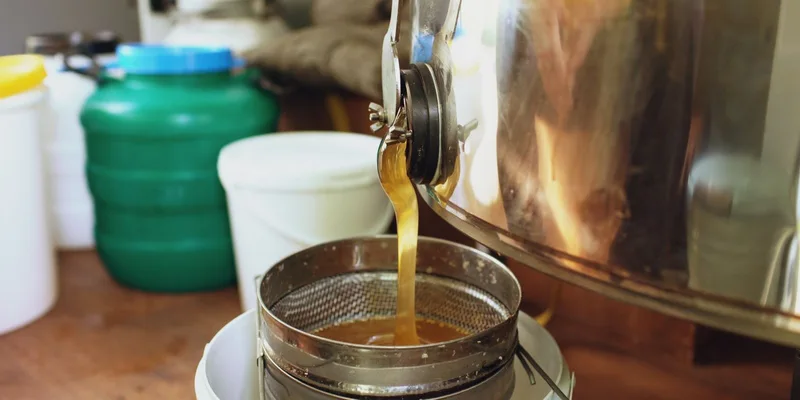 Harvest and ExtractionExtractors, uncapping gear and strainers, plus how to tell when the frames are actually ready to pull.Browse harvest and extraction ›
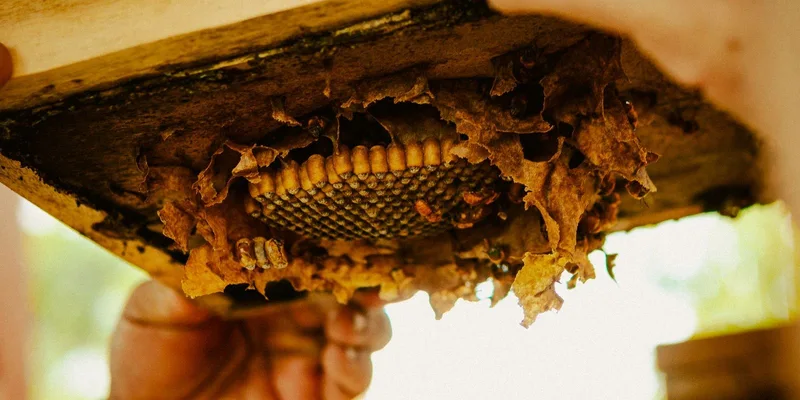 Bee Health and VarroaMite counting and treatment options, beetles, moths and brood disease, with the label and extension sources named.Browse bee health and varroa ›
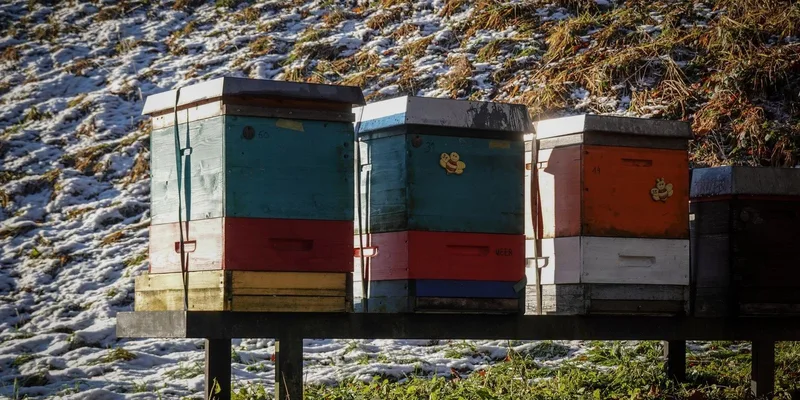 Feeding and SeasonsFeeders, syrup and pollen patties, plus the winterizing order of operations for a backyard hive.Browse feeding and seasons ›
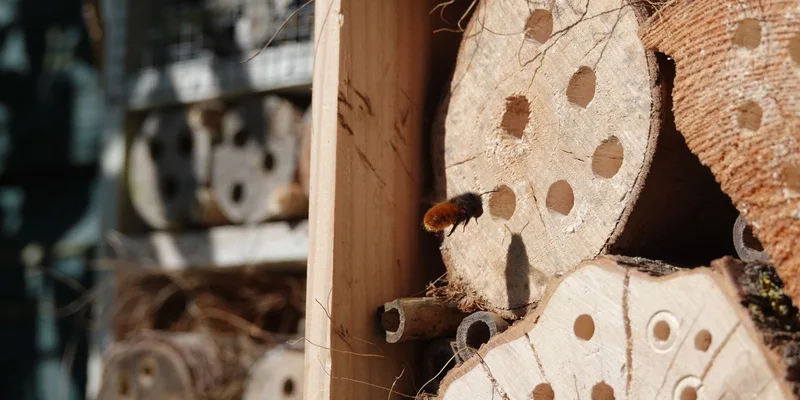 Beyond the HiveMason and leafcutter bee houses, observation hives, swarm traps and what to do with your own wax.Browse beyond the hive ›
Start here
The guides that answer the questions we get first, each one written around fit and use rather than brand names.
ProtectionBee Suit Buying Guide: Fabric, Fit and Sting ProtectionFit and airflow decide whether you keep it zipped, so we start with the measurements nobody takes.Read the guide ›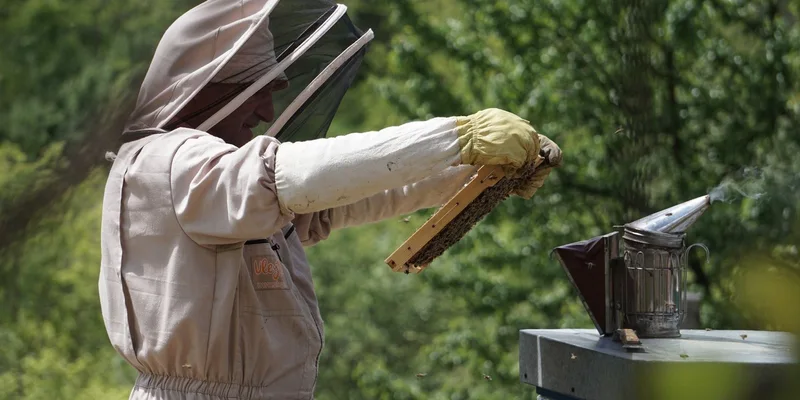 Getting StartedBeekeeping Starter Kit: What Is Worth Buying TogetherWhat a kit really contains, what it quietly leaves out, and when buying separately costs less.Read the guide ›HarvestHoney Extractor Guide: Frames, Drive and Drum SizeFrame count first, motor second. Two hives rarely justify the machine the listing suggests.Read the guide ›ToolsBee Smoker Buying Guide: Bellows, Guard and AirflowSize, shield and how easily it stays lit, because a smoker that goes out is worse than none.Read the guide ›
How we choose what to suggest
We are not a test lab and we do not pretend to be. There is no research apiary here, no shed full of samples, and no scoring system invented to sound objective. What we do is read the product listings and the manufacturer instructions, compare the specifications makers publish about their own products, and set those next to official guidance where guidance exists.
When a number comes from a listing, from a manual or from a product label, we name the source so you can check it yourself. When a category is full of near identical products, we say that too, instead of inventing a winner.
Where our guides stop
Every colony, hive and bee yard is a different combination, so the numbers that matter are the ones printed on your own label. We never make up a dose, a temperature limit or a treatment interval. Anything to do with varroa or brood disease belongs to the EPA registered label on the product you are holding and to your state extension service.
Whether you may keep bees at all, how many hives are allowed and whether they must be registered changes by state and by county, so the state apiarist is the place to check that. We point to gear the way we would for our own hives, with the caveats left in rather than trimmed out.
What you can expect from a guide here
Chest and inseam for a suit, frame count for an extractor, box weight when the super is full. Most regret traces back to a measurement nobody took.
Fabric construction, mesh layers, drum capacity and motor ratings are quoted from the maker, never assumed or rounded up.
People running two or three colonies behind the house, not a commercial operation moving pallets between orchards.
Where the answer belongs to a product label, an extension service or your state apiarist, we say so instead of guessing.